
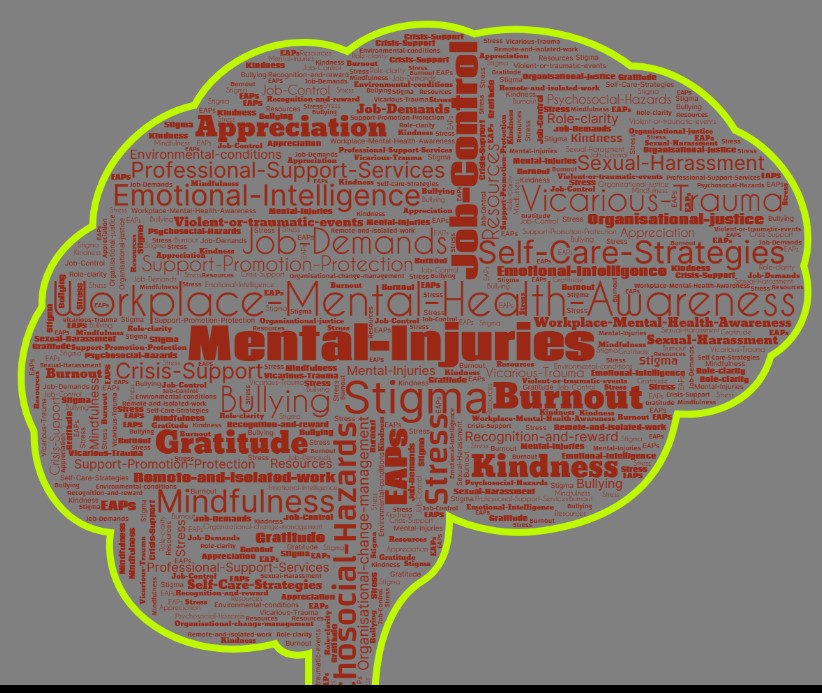
In recent years, there has been a growing recognition of the significance of mental health in the workplace. As our understanding of mental health deepens and societal attitudes evolve, organisations are placing greater emphasis on supporting the psychological well-being of their employees. One powerful tool that has emerged in this context is Workplace Mental Health Awareness Training. This training is not just a passing trend; it is a critical component of creating a healthy, productive, and supportive work environment.
Understanding Workplace Mental Health Awareness Training
Workplace Mental Health Awareness Training is an educational program designed to equip employees and employers with the knowledge, skills, and resources necessary to understand, identify, and address mental health challenges in the workplace. This training goes beyond simply raising awareness about mental health issues; it also aims to reduce stigma, encourage open conversations, and promote a culture of empathy and support.
7 benefits of Workplace Mental Health Awareness Training
- Reduction of Stigma: One of the biggest barriers to seeking help for mental health issues is the stigma attached to them. Employees might fear being perceived as weak or incapable if they open up about their struggles. By providing mental health awareness training, organisations can foster an environment where mental health is normalised, reducing the stigma and encouraging individuals to seek the support they need without fear of judgment.
- Early Identification and Intervention: Mental health challenges, if left unaddressed, can escalate and affect not only an individual’s well-being but also their job performance. Workplace Mental Health Awareness Training equips employees and managers with the skills to recognise signs of distress in themselves and their colleagues. Early identification allows for timely intervention and support, potentially preventing more serious issues down the line.
- Enhanced Employee Well-being: A workforce that feels supported and valued is likely to experience higher levels of job satisfaction and well-being. When employees know that their organisation cares about their mental health, they are more likely to engage positively in their work and contribute effectively to the team.
- Increased Productivity and Performance: Mental health issues can lead to decreased concentration, motivation, and productivity. By fostering an environment where mental health is openly discussed and supported, organisations can help employees manage their challenges more effectively, leading to improved performance and higher levels of productivity.
- Reduced Absenteeism and Presenteeism: Mental health problems are a leading cause of absenteeism and presenteeism (being physically present but not fully productive) in the workplace. Providing mental health awareness training can help employees recognise when they need a break or support, reducing unnecessary time off and improving overall workplace attendance.
- Positive Organisational Culture: Organisations that prioritise mental health create a positive and inclusive culture. Employees are more likely to feel a sense of belonging and loyalty when they know that their well-being is valued. A strong organisational culture can attract top talent and contribute to long-term success.
- Legal and Ethical Responsibility: All States in Australia now recognise mental health as an integral part of occupational health and safety. Employers have a legal and ethical responsibility to provide a safe and healthy work environment, which includes addressing mental health concerns. Workplace Mental Health Awareness Training demonstrates a commitment to fulfilling this responsibility.
Importantly, Workplace Mental Health Awareness Training is not the full answer to managing mental health in the workplace, however it is a great start. Risk assessments need to be undertaken for all workplace psycho-social hazards with preventative measure undertaken to reduce exposure to hazards identified. An example could be to alter work design to reduce work overload. Employers need to have an action plan in place that tackles prevention, support and awareness.
Conclusion
Workplace Mental Health Awareness Training is not just about ticking boxes or complying with regulations; it is about investing in the holistic well-being of employees and creating a supportive environment where everyone can thrive. By reducing stigma, promoting early intervention, and enhancing overall well-being, organisations can experience improved productivity, reduced turnover, and a positive workplace culture. As mental health continues to be recognised as a fundamental aspect of overall health, investing in such training is an investment in the present and future success of both employees and the organisation as a whole.
Click here for information on our online self-paced Workplace Mental Health Awareness Program
 making ohs easy